
Wash less, wear more: the arithmetic of laundry
The head of Levi’s went a year without machine-washing his jeans and told a conference about it. He was making a point about fibre, not hygiene — and the point generalises.
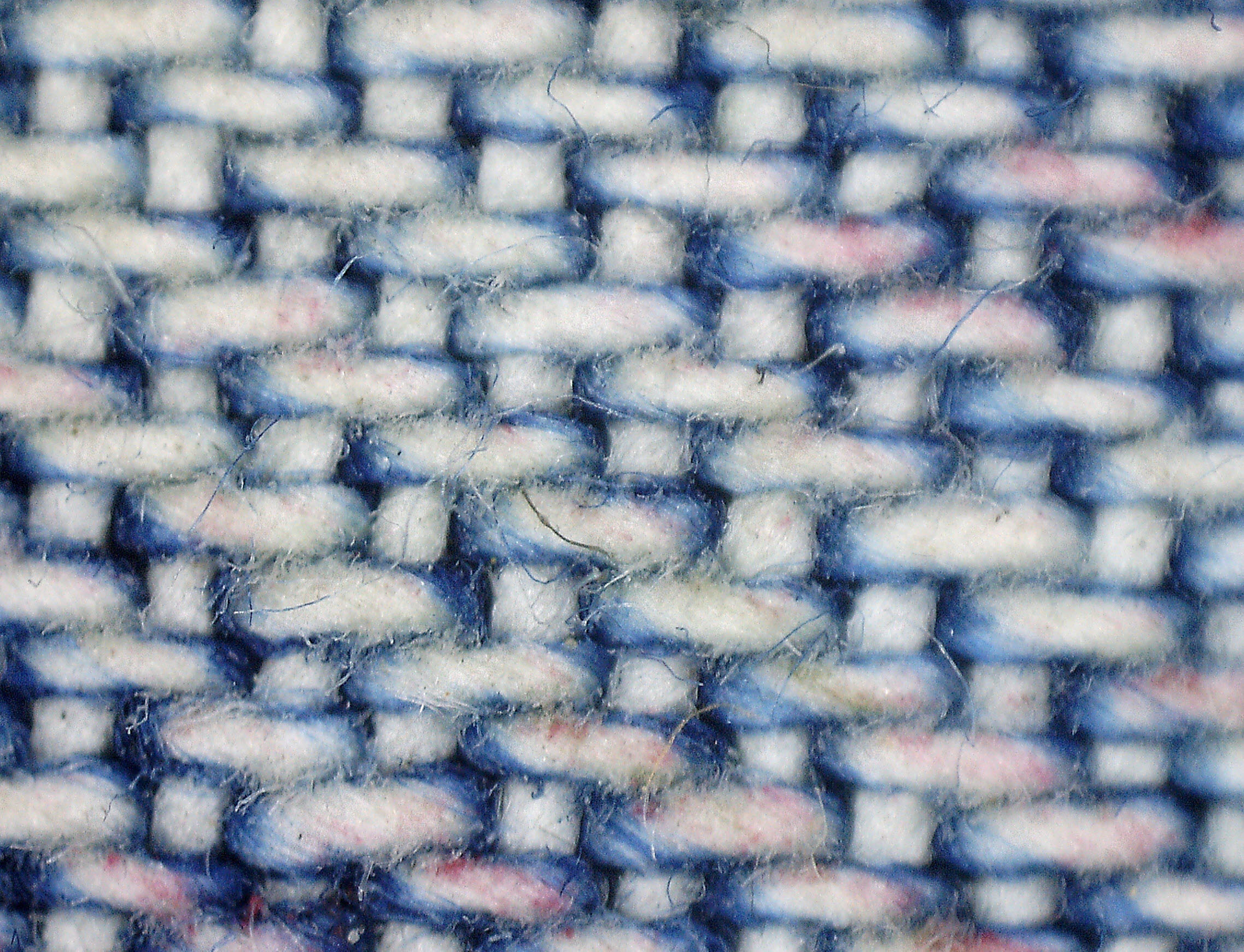
In May 2014 Chip Bergh, chief executive of Levi Strauss, told Fortune’s Brainstorm Green conference that the jeans he was wearing on stage were about a year old and had not yet seen a washing machine. Spot-clean with a sponge or a toothbrush and a little detergent, he said; air-dry; machine-wash very seldom. The headlines treated it as an eccentric confession. It was a fibre-care instruction from the company that has made denim longer than anyone alive, and it was aimed at a habit most of us never examine.
Every machine wash does three things to a garment, and none of them is good for it. The agitation stresses the yarn mechanically, which is why hems fray and knits pill. The water and detergent move dye, which is why blacks go grey and indigo goes pale. And in anything with stretch — most jeans now contain a few percent elastane — the heat and the chemistry degrade the elastic fibre a little at a time, which is why old stretch denim bags at the knee and never recovers. Levi’s own current guidance is more moderate than the 2014 anecdote: wash after roughly ten wears, or sooner if the jeans are visibly dirty or begin to smell. Denim specialists add the counter-warning, which is also correct: wait months or years and the grit that accumulates in the weave abrades the fibres from the inside, so “never” is as wrong as “every time”. The right interval is a number of wears, and it differs by fabric.
For synthetics the case for washing less is not only about the garment. Napper and Thompson’s 2016 study at the University of Plymouth washed polyester, polyester-cotton and acrylic clothing under ordinary domestic conditions and measured the fibres in the wastewater. A single 6 kg load released between 140,000 and 700,000 microfibres, with acrylic shedding the most by weight. Each avoided wash is an avoided emission, and the composition label tells you how large the emission would have been. Washing a fleece every wear is not hygiene. It is a habit with a measurable cost, and the cost is in the sea.
Detergent is the third variable, and the least understood. More is not cleaner; past the dose the water can dissolve, the surplus stays in the fibre, attracts dirt, stiffens the hand and irritates skin, and it takes another wash to remove. Conditioners coat the fibre in a film that makes it feel soft and makes it shed more, which is why Napper and Thompson tested with and without them. The honest instruction, which no detergent brand will print, is that a full cold load with half the dose on the cap cleans ordinary daily wear perfectly well and leaves the garment in better condition than the recommended amount would.
There is an energy argument too, and it is larger than most people expect. Across a garment’s life, the use phase — washing, drying, ironing — accounts for a substantial share of its total carbon footprint, in some analyses the largest single share for cotton items, because heating water and tumble-drying are expensive and repeated hundreds of times. Every wash skipped, every degree lowered, every tumble replaced with a line, is a footprint reduction the wearer controls directly, without buying anything.
Temperature deserves its own paragraph, because it is the lever with the largest effect and the smallest cost. Heating water is most of the energy in a wash cycle; dropping from 40 to 30 degrees cuts that energy substantially, and modern detergents are formulated to work cold. For fibre, cooler is better almost without exception: less dye loss, less shrinkage, less damage to elastane, less felting in wool. The only things that genuinely need heat are those where hygiene demands it — bedding during illness, cloth nappies, heavily soiled kitchen linen — and those are not what fills most baskets.
Drying is the other half, and the more damaging one. A tumble dryer’s heat and tumbling do to fibre in forty minutes what a wash does in an hour, and the lint filter is the evidence: every gram in it was your clothes. Line-drying costs time and nothing else, and it is where most of a garment’s extra months of life come from. Bergh’s advice to air-dry was not a preference. It was the second half of the same instruction.
The trouble with all this advice is that “wash after ten wears” requires knowing the count, and nobody knows the count. Laundry decisions are made by smell, by habit, by whether the basket is full, or by a vague sense that it has been a while — none of which is the number the fabric cares about. This is a bookkeeping problem, and bookkeeping is what software is for. A person who logs what they wore this morning already has the wear count; the laundry decision is then a comparison, not a judgement.
ZIMRICS keeps a wear count on every garment and treats Laundry as a state a garment is in, not a place it goes. The count that feeds Cost / Wear is the same count that decides when a piece is due. The app can then do something no laundry basket can: notice that a favourite has been in the wash a while and is quietly missing from the rotation; flag a jumper at twelve wears as probably due; and hold the right interval per fabric, so denim waits and silk does not. Total Wears is one number doing two jobs at once — one on the analytics side, one on the care side — and the wearer does nothing extra to keep it.
A rule of thumb, for anyone keeping no records. Denim every ten or so wears, and cold, inside out, hung to dry. Wool and knits when they say so, which is rarely; airing does most of what washing would. Synthetics as rarely as you can, in a full load, at the lowest temperature that works, ideally with a filter bag that catches the fibres. Underwear and anything against sweat, every time — the argument was never for less hygiene, only for fewer washes of things that were not dirty.
And if you do keep records, the rule of thumb becomes unnecessary, which was the point. Bergh’s jeans were not a stunt. They were a demonstration that a garment lasts in proportion to how well its owner knows what has been done to it — and that most of us have never known.
Sources
- CNN (2014) — Don’t machine wash your jeans, says Levi’s CEO
- Levi’s — How to clean, wash and dry jeans: the definitive guide to denim
- Denimhunters — Should I wear jeans for six months before washing? (care myths)
- University of Plymouth — Washing clothes releases thousands of microplastic particles (Napper & Thompson 2016)